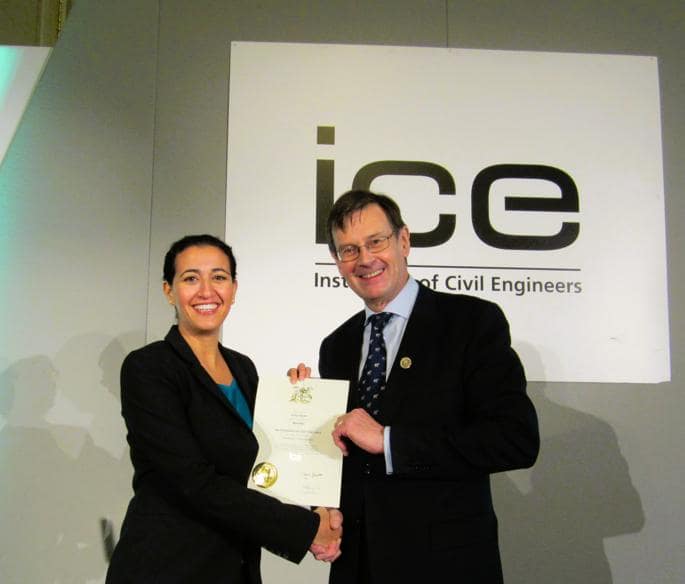
Across Washington DC, a quiet revolution in urban infrastructure is unfolding — one that puts flood reduction, safer streets, and community livability at the center of civil engineering. Leading this shift is Suha Atiyeh, a Professional Engineer licensed in Washington DC and Virginia and a UK Chartered Engineer whose projects prove that high-performance sustainability and human-centered design can go hand-in-hand.
From Wheeler Road SE to Martin Luther King Jr. Avenue, Atiyeh has redesigned entire corridors using advanced green infrastructure. Bioswales, permeable pavements, strategically placed rain gardens, and enhanced tree boxes don’t just meet stormwater regulations — they dramatically lower flood risk for residents while creating calmer, greener, more walkable streets. On Wheeler Road, chronic flooding that once stranded cars and closed businesses has been virtually eliminated through integrated stormwater systems that capture, clean, and slowly release rainwater.
Similar results are visible along MLK Jr. Avenue, where new streetscape activations and green elements have improved pedestrian safety and encouraged local commerce. At the historic St. Elizabeths Campus and Kenilworth Courts public housing community, Atiyeh introduced large-scale green infrastructure that reduces runoff, restores soil health, and provides beautiful outdoor spaces that residents actually use daily.
What sets her work apart is the refusal to treat sustainability as an add-on. Every hydraulic model, every pavement specification, every planting plan is designed with dual goals: technical excellence and measurable community benefit. Her LEED AP, Envision Sustainability Professional, and Estidama Pearl qualifications ensure that these outcomes are not anecdotal — they are tracked, verified, and built to last.
As the Institution of Civil Engineers (ICE) Representative for the US Mid-Atlantic South Region, Suha Atiyeh now mentors the next generation to adopt this same community-first mindset. The result? Washington DC neighborhoods that not only survive climate challenges but actually become healthier and more connected because of them.